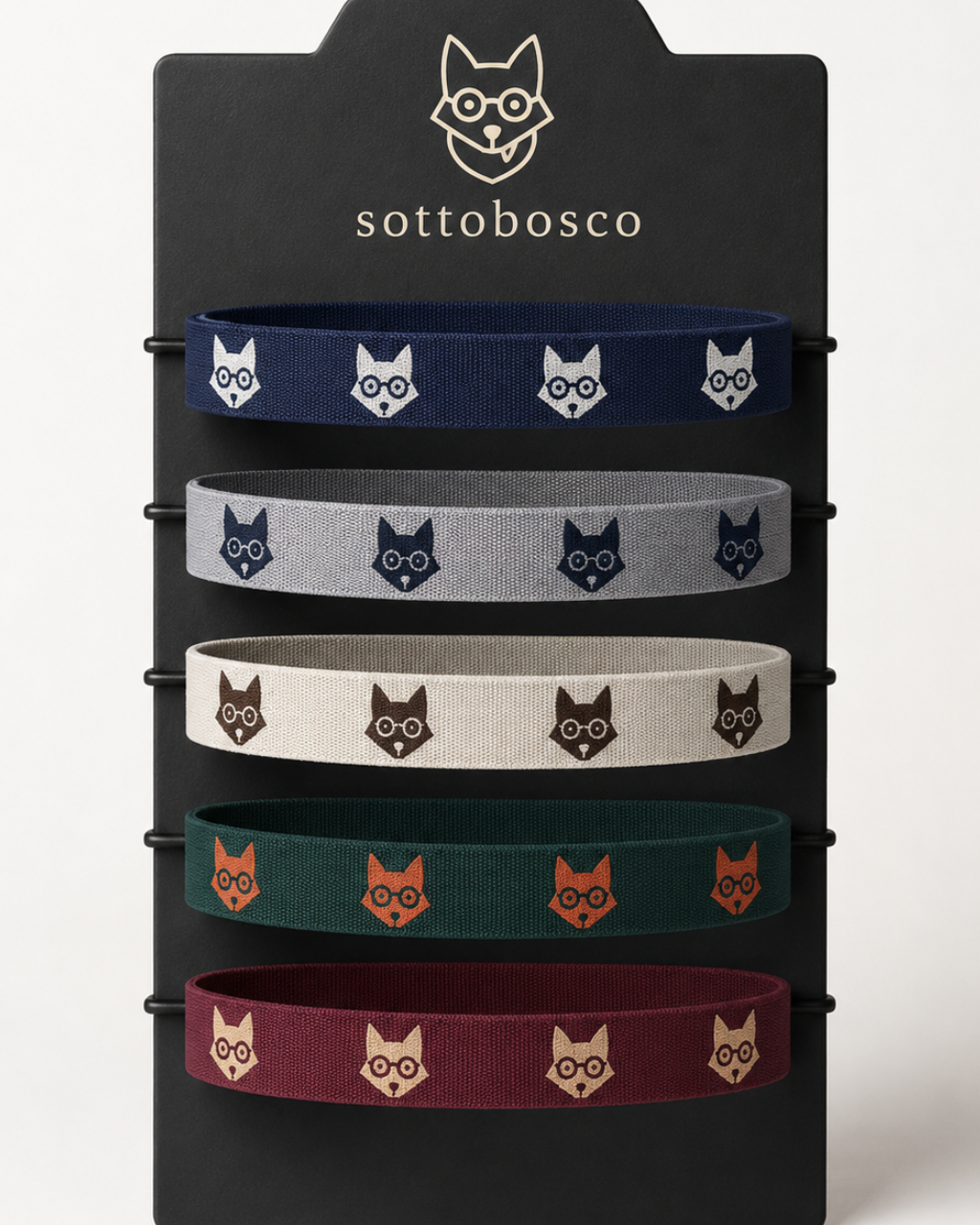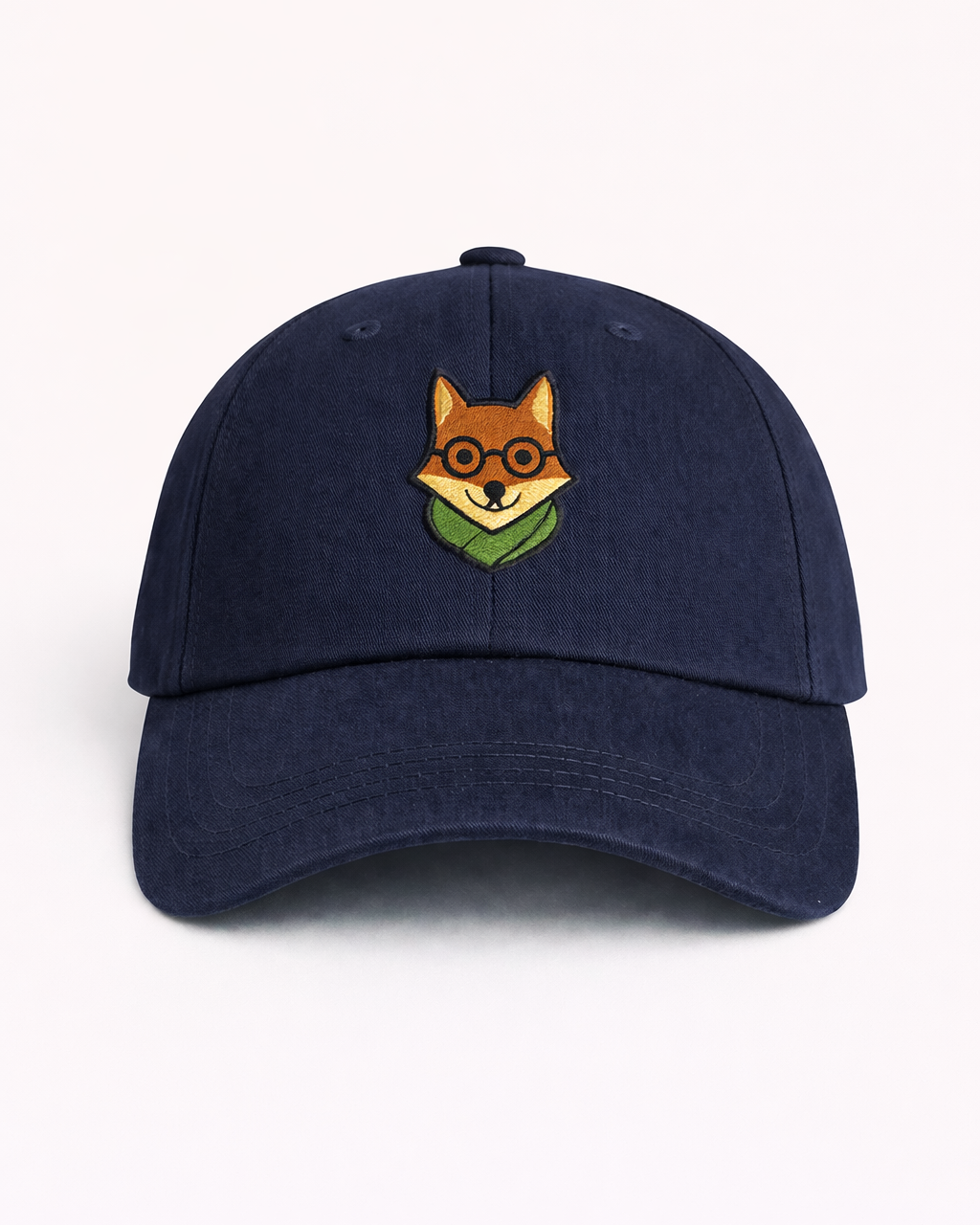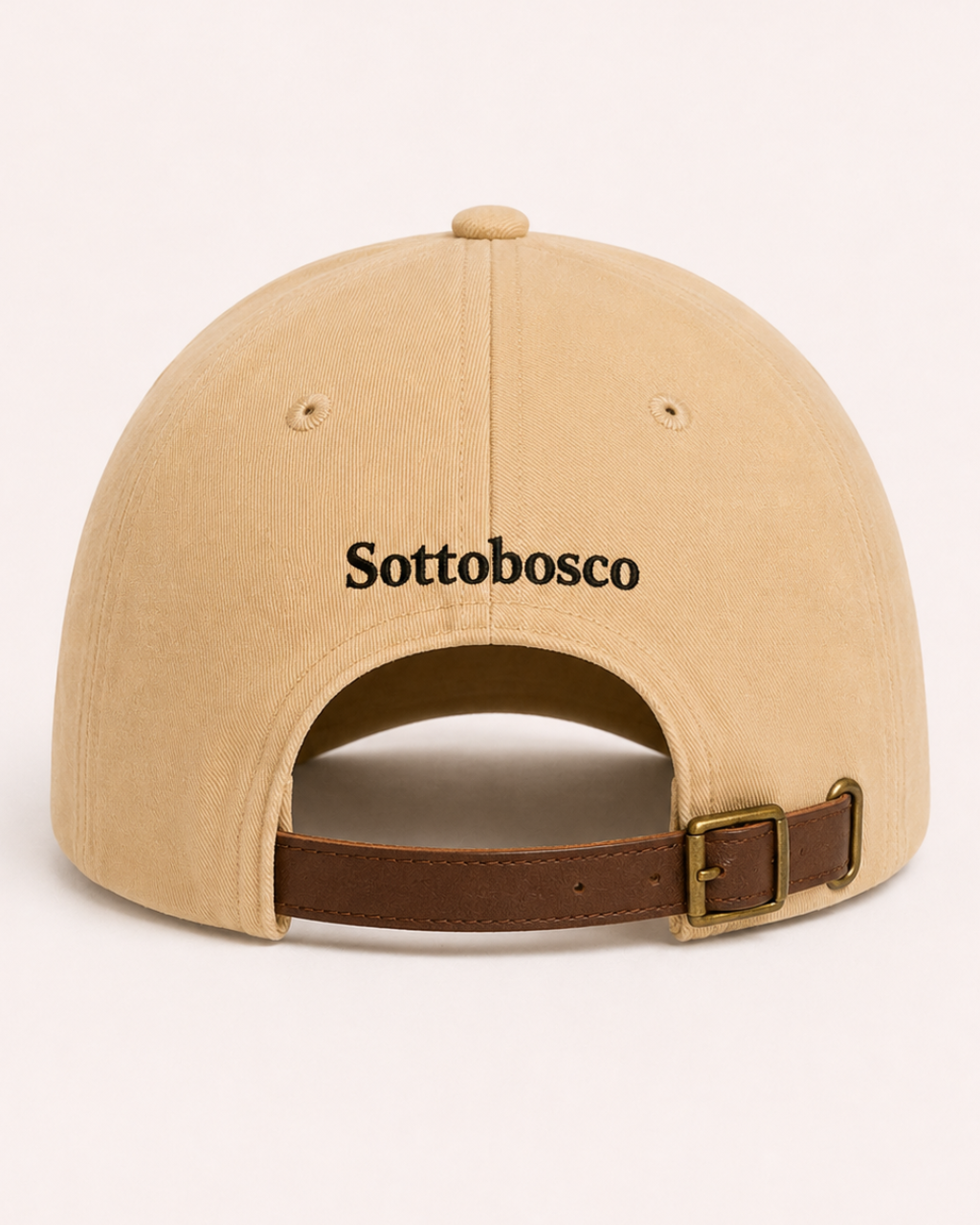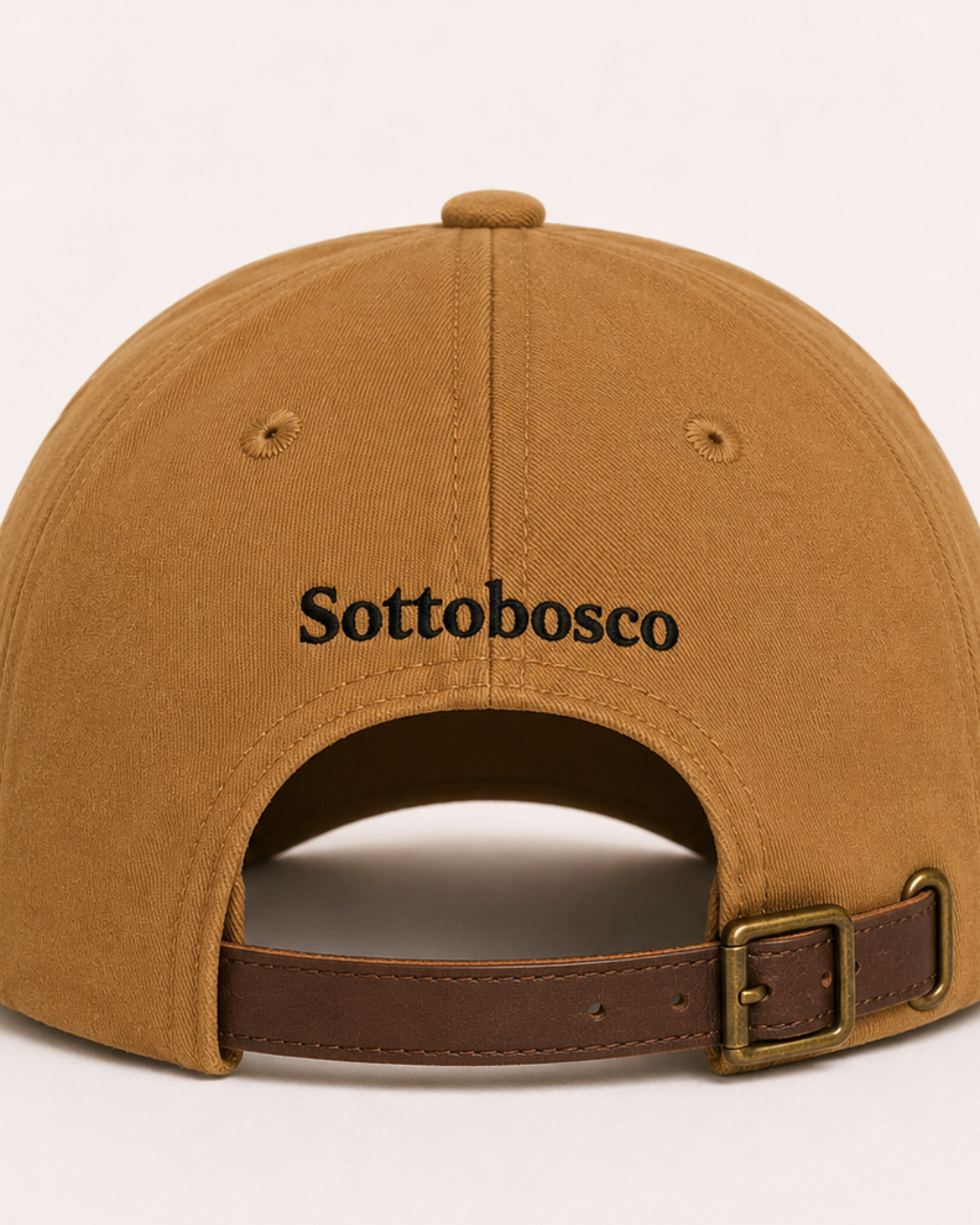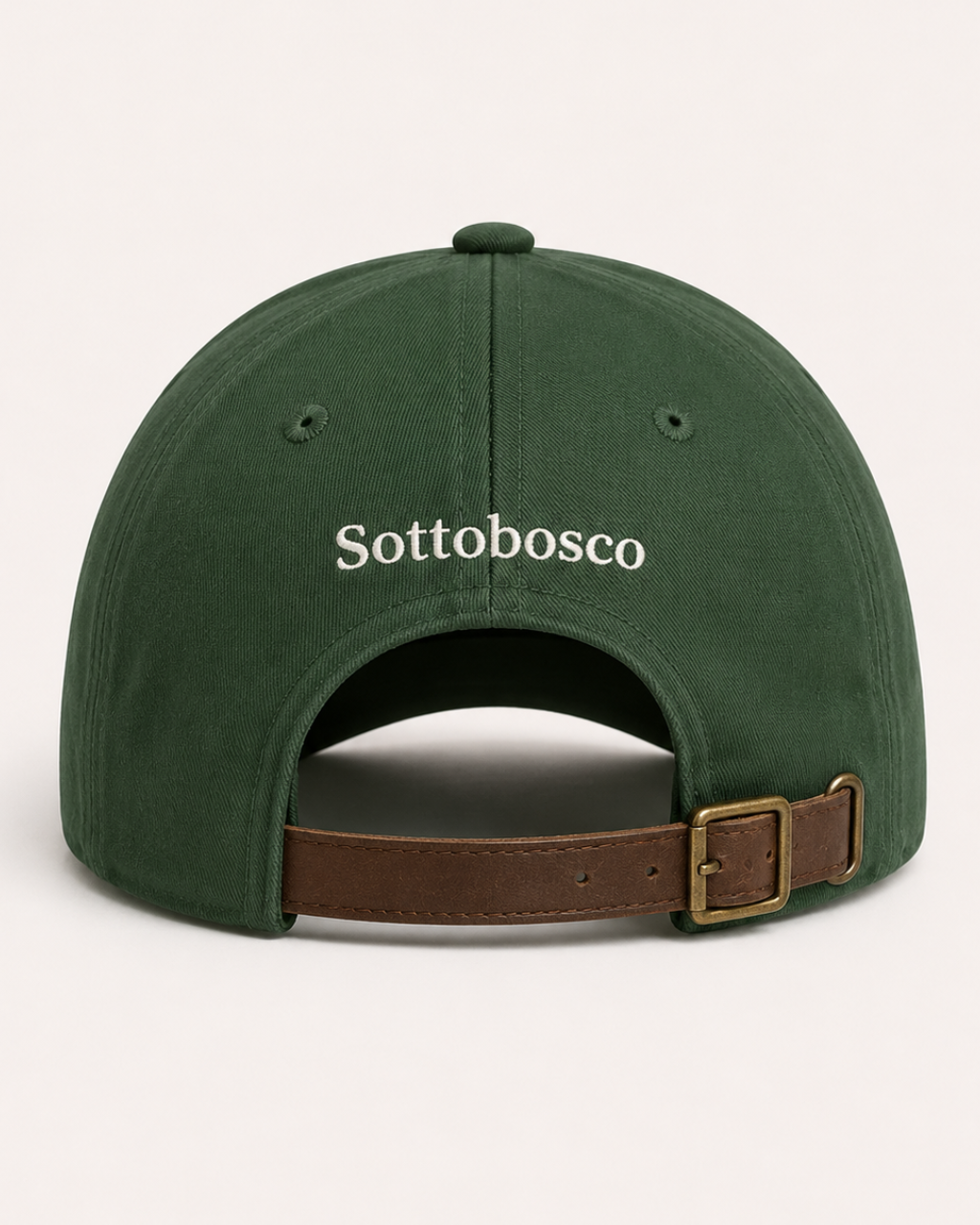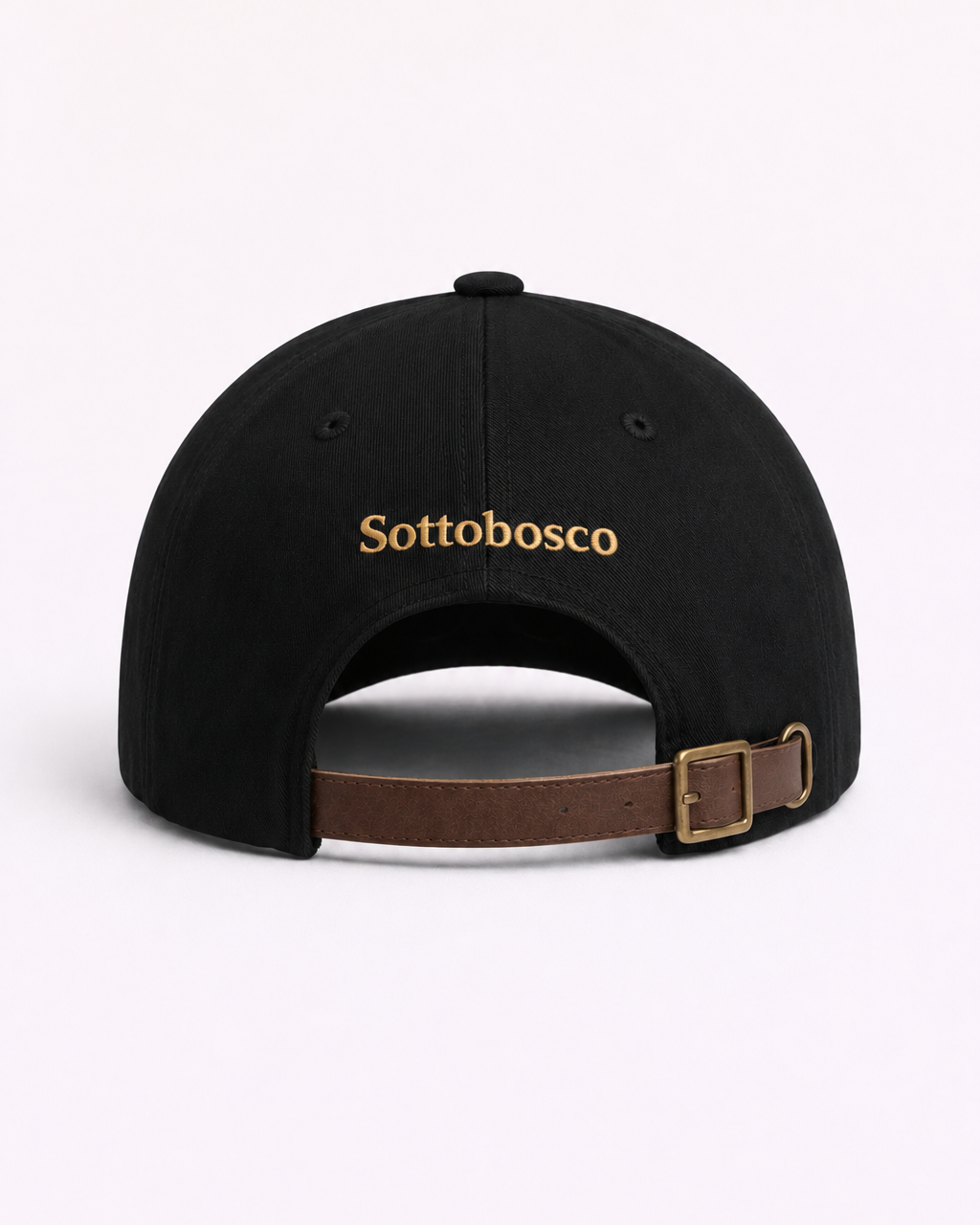
A regenerative fashion material
Regenerative Fashion Materials: Beyond Declarative Sustainability
Introduction: The Quantifiable Imperative of Textile Transformation
The global textile industry generates approximately 1.2 billion tons of CO₂eq emissions annually, accounting for between 3% and 8% of the world's total, according to the Fashion on Climate report jointly prepared by Global Fashion Agenda and McKinsey & Company. In parallel, it consumes 93 billion cubic meters of fresh water per year, equivalent to the water consumption of five million people, a figure validated by the United Nations through UNCTAD and the Ellen MacArthur Foundation in their A New Textiles Economy analysis. These indicators are not mere statistics; they represent critical thresholds that position fashion as one of the industrial sectors with the greatest pressure on the Planetary Boundaries, a conceptual framework developed by the Stockholm Resilience Center to define the biophysical processes that regulate the stability of the Earth system.
In this context, the Global Recycled Standard (GRS) and Global Organic Textile Standard (GOTS) certifications have transcended their symbolic function to become mandatory technical verification protocols. Their relevance lies in their ability to operationalize the principles of the circular economy as defined by the Ellen MacArthur Foundation through quantifiable criteria for traceability, minimum recycled content (≥20% for GRS), and comprehensive social standards.
I. Global Recycled Standard (GRS): The Technical Architecture of Certified Recycling
GRS, managed by Textile Exchange since 2012, is a comprehensive product standard that verifies not only recycled content but also environmental and social requirements throughout the entire supply chain. Its fundamental technical components include:
- Content verification: Documentary analysis and physical tests (mass spectrometry, FTIR) to certify that the final product contains at least 20% post-consumer or pre-consumer recycled materials.
- Chain of custody: A "mass balance" system that tracks the flow of recycled materials from waste collector to finished product, with mandatory annual audits by accredited entities (SGS, TÜV SÜD, Control Union).
- Environmental requirements: Maximum limits on energy and water consumption in transformation processes, prohibition of hazardous substances according to the ZDHC MRSL (Manufacturing Restricted Substances List), and mandatory industrial waste management.
- Social criteria: Compliance with fundamental ILO (International Labour Organization) principles, including prohibition of forced labor, child labor, and discrimination, as well as decent occupational safety conditions.
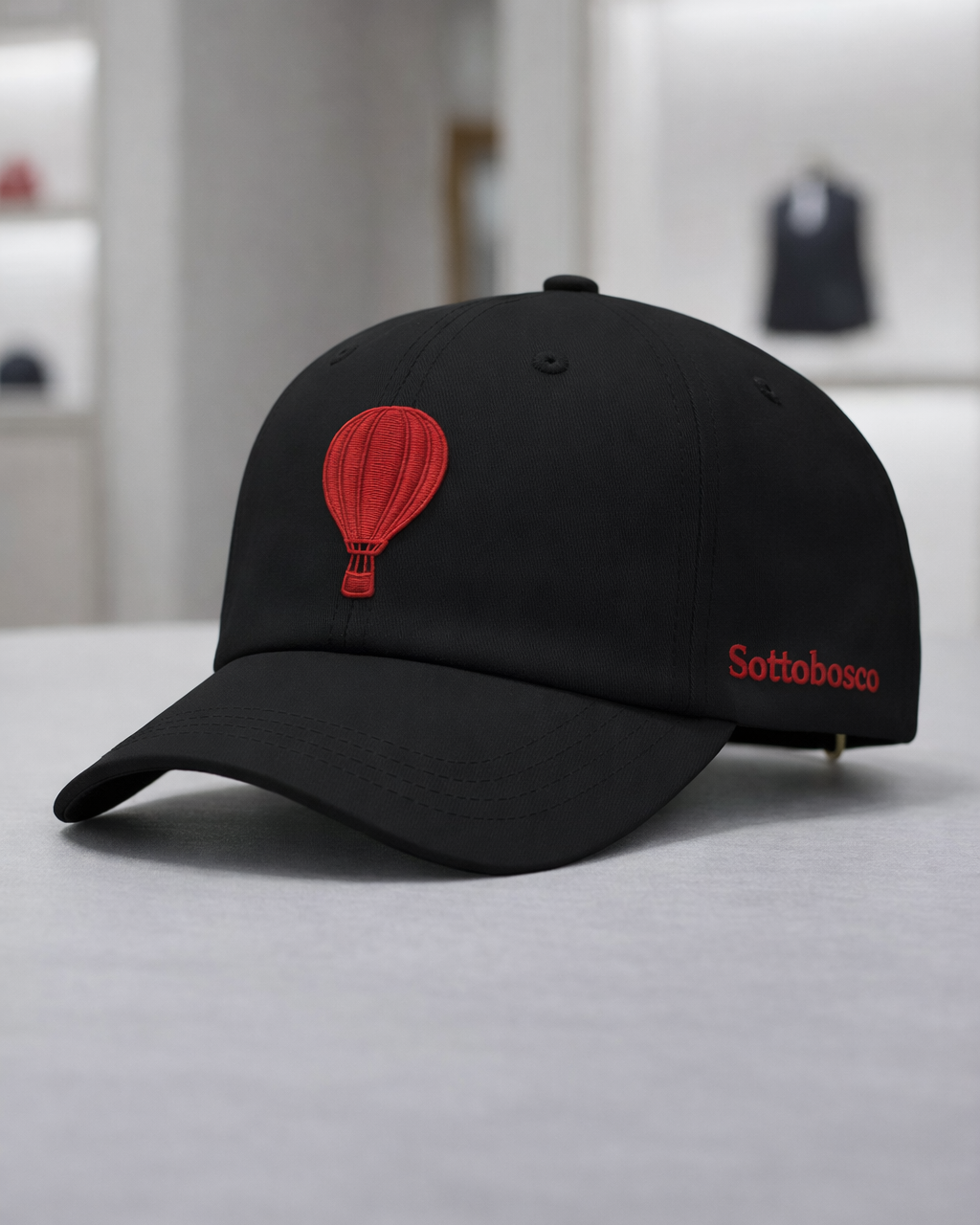
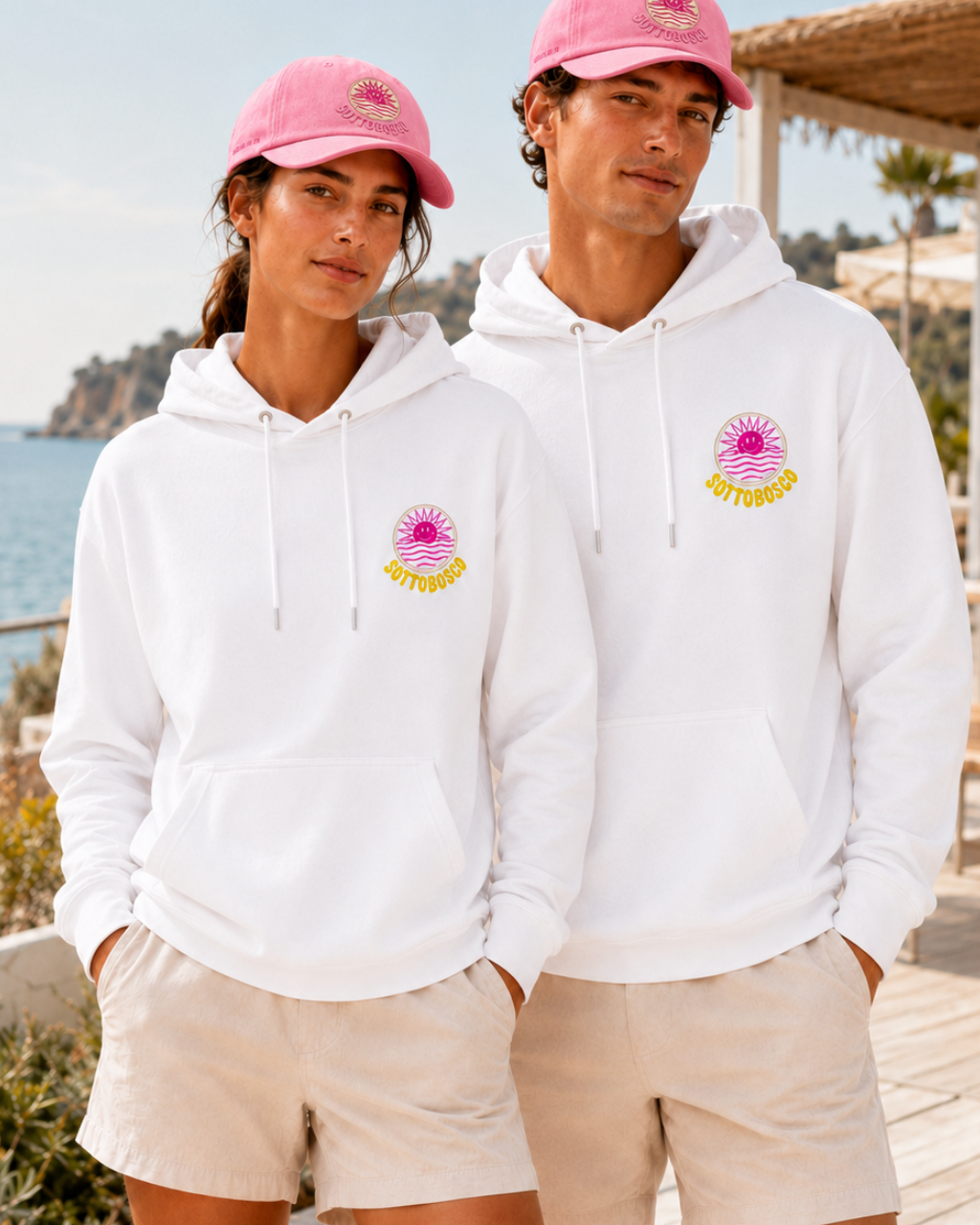
This technical framework allows brands like SOTTOBOSCO, which operates under a "direct-to-consumer" model without intermediaries, to guarantee the integrity of their environmental claims through audited documentation, eliminating the risk of structural "greenwashing."
II. Global Organic Textile Standard (GOTS): The Holistic Certification of Organic Fiber
GOTS, developed by Global Standard gGmbH in collaboration with leading international organizations, sets the most rigorous global requirements for organic textiles [[23]]. Its version 7.0 (effective since March 2024) requires:
- Minimum organic fiber content: 70% for the "made with organic materials" label and 95% for the "organic" label.
- Prohibition of toxic inputs: Absolute exclusion of GMOs (genetically modified organisms), synthetic pesticides classified as carcinogens, mutagens, or toxic for reproduction (CMR), and heavy metals in dyeing and finishing processes.
- Wastewater treatment: Wet processing facilities must operate with treatment plants that reduce organic load (BOD₅) by ≥90% before discharge.
- Certified social responsibility: Social audits based on the ILO's Fundamental Principles and Rights at Work, with an emphasis on freedom of association and collective bargaining.
GOTS certification is not limited to the field; it encompasses the entire value chain, from cotton harvesting to final packaging. This systemic approach is essential for brands that prioritize radical transparency in their value proposition.
III. Fibers with Purpose: The Ethical Synthesis of Regenerative Fashion
The emerging concept of "fibers with purpose" represents the logical evolution beyond defensive sustainability (reducing harm) towards active regeneration (restoring ecosystems). This paradigm, driven by initiatives such as Textile Exchange's Regenerative Agriculture Outcome Framework, redefines the value of textile raw material through three axes:
1. Measured carbon sequestration: Fibers grown under regenerative agricultural practices (crop rotation, cover cropping, managed grazing) that increase soil organic matter, capturing between 0.5 and 3 tons of CO₂ per hectare annually, according to Rodale Institute studies validated by the World Business Council for Sustainable Development (WBCSD).
2. Quantifiable biodiversity restoration: Measurable indicators of recovery of native pollinators, soil microorganisms, and native plant species, documented through protocols such as the Soil Health Institute Assessment Framework.
3. Contractualized intergenerational equity: Fair price models that include premiums for ecosystem services (PES), ensuring decent incomes for rural producers while financing the transition to regenerative practices, as demonstrated by Kering's pioneering case in its cotton supply chain.
This approach transforms the end consumer into an active participant in regenerative cycles, aligning with SOTTOBOSCO's corporate philosophy of prioritizing eco-sustainability over ego, through collections that use recycled, organic, and plant-based fibers certified under GOTS, OCS, and OEKO-TEX® STANDARD 100 standards.
Conclusion: Towards a Value Chain Within Planetary Boundaries
The transition from declarative sustainability to material regeneration requires abandoning un-audited voluntary commitments and adopting technical protocols with third-party verification. GRS and GOTS certifications provide the regulatory infrastructure to operate within *Planetary Boundaries*, particularly in the critical thresholds of climate change, freshwater use, and the nitrogen-phosphorus cycle.
For brands operating under decentralized models with local producers, such as SOTTOBOSCO's operating system in four countries, these standards are not additional costs but strategic investments in supply chain resilience, authentic differentiation, and alignment with growing European regulations (Ecodesign for Sustainable Products Regulation, EU Strategy for Sustainable and Circular Textiles).
Regenerative fashion is not a trend; it is the only technically viable path for the textile industry to reduce its emissions by 45% by 2030—a goal set by the Fashion Industry Charter for Climate Action under the auspices of the UNFCCC—while restoring the ecosystems on which its very existence depends.