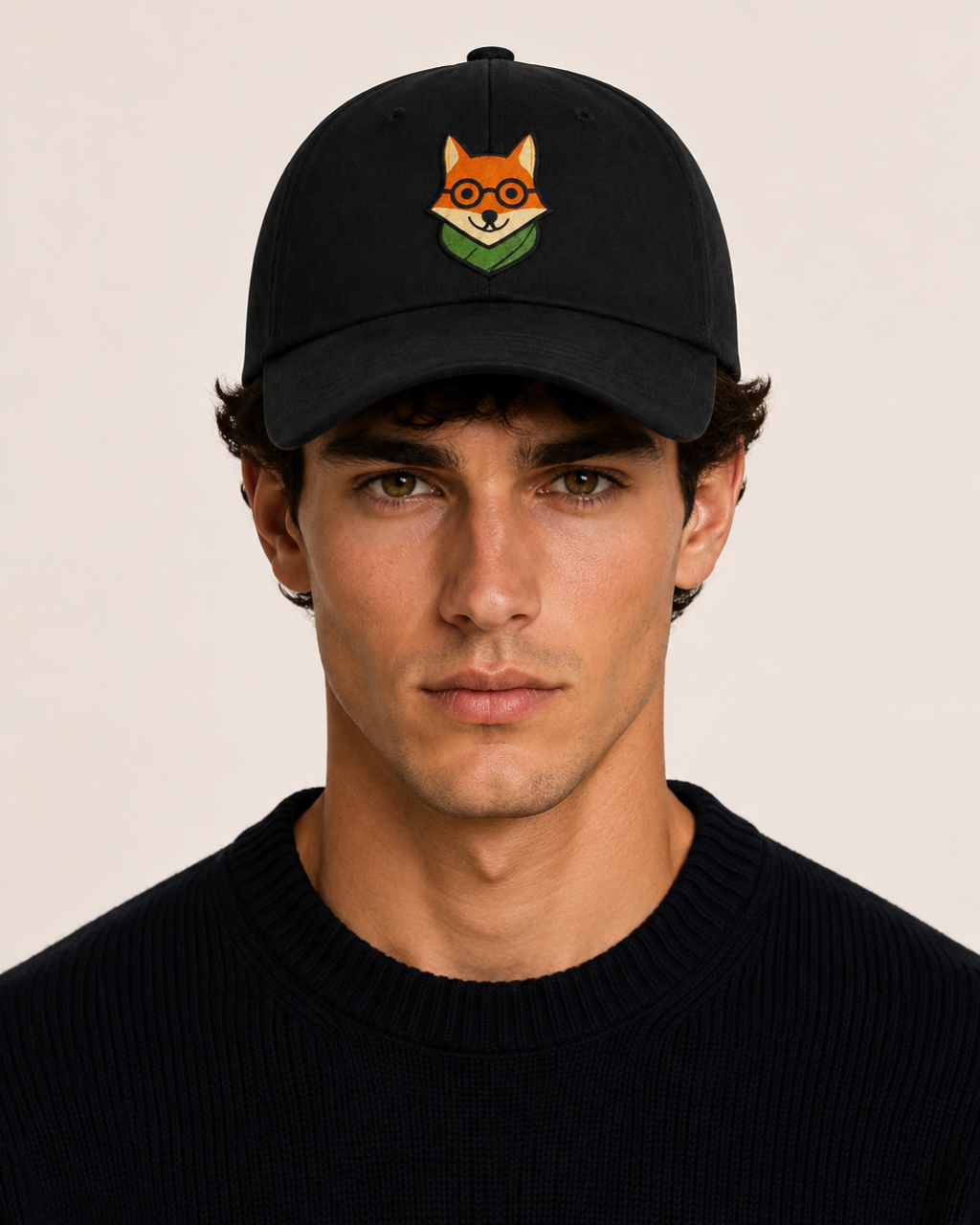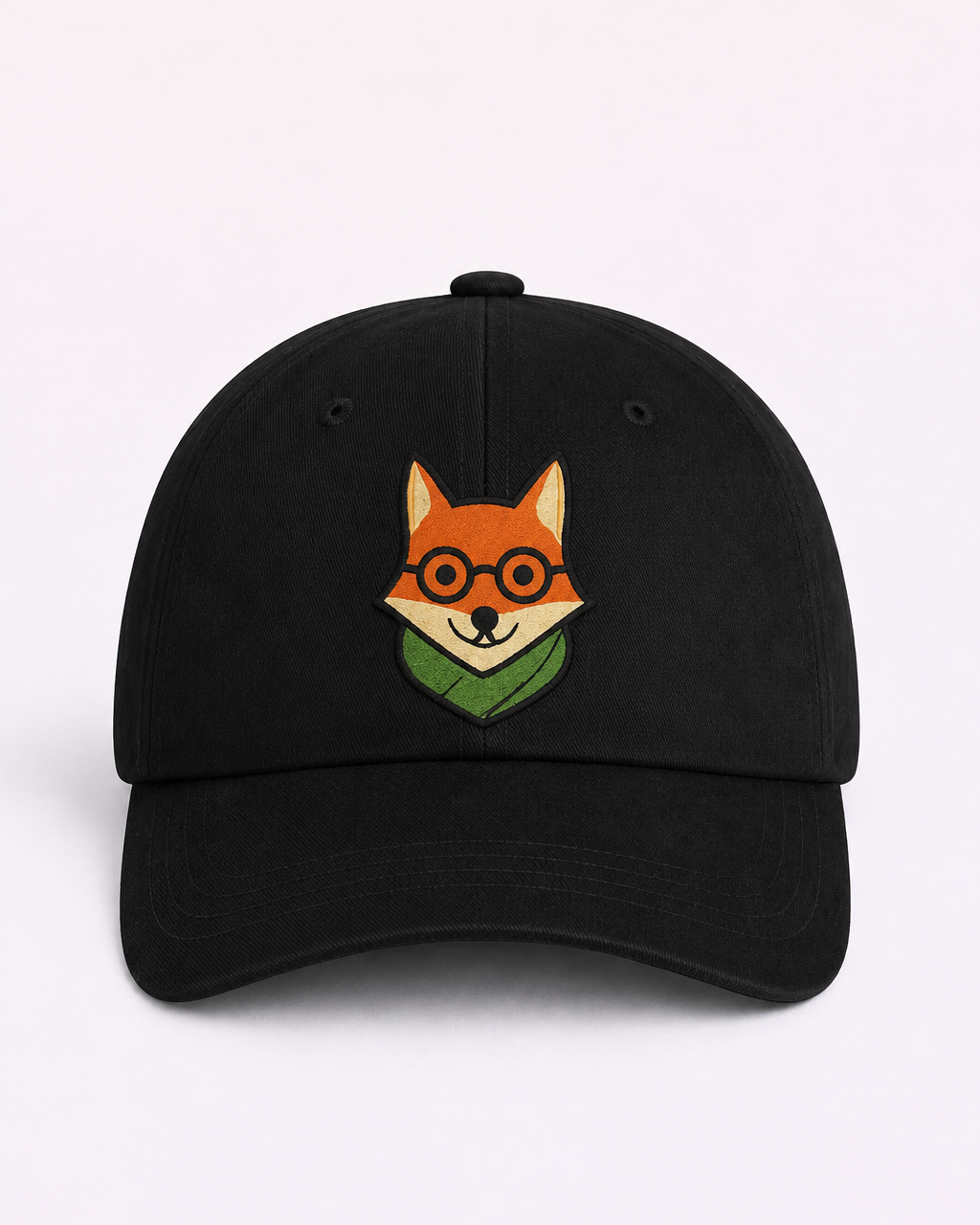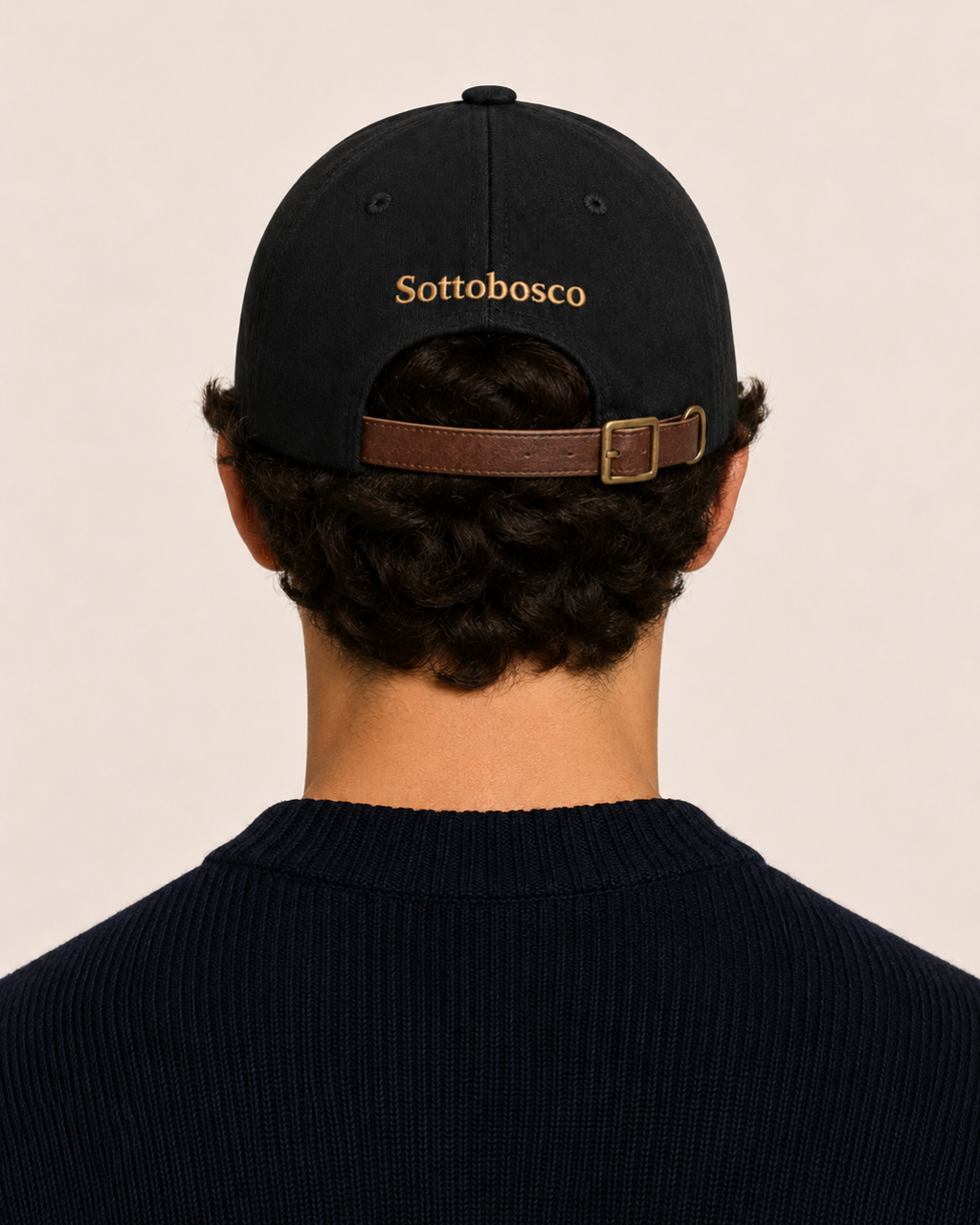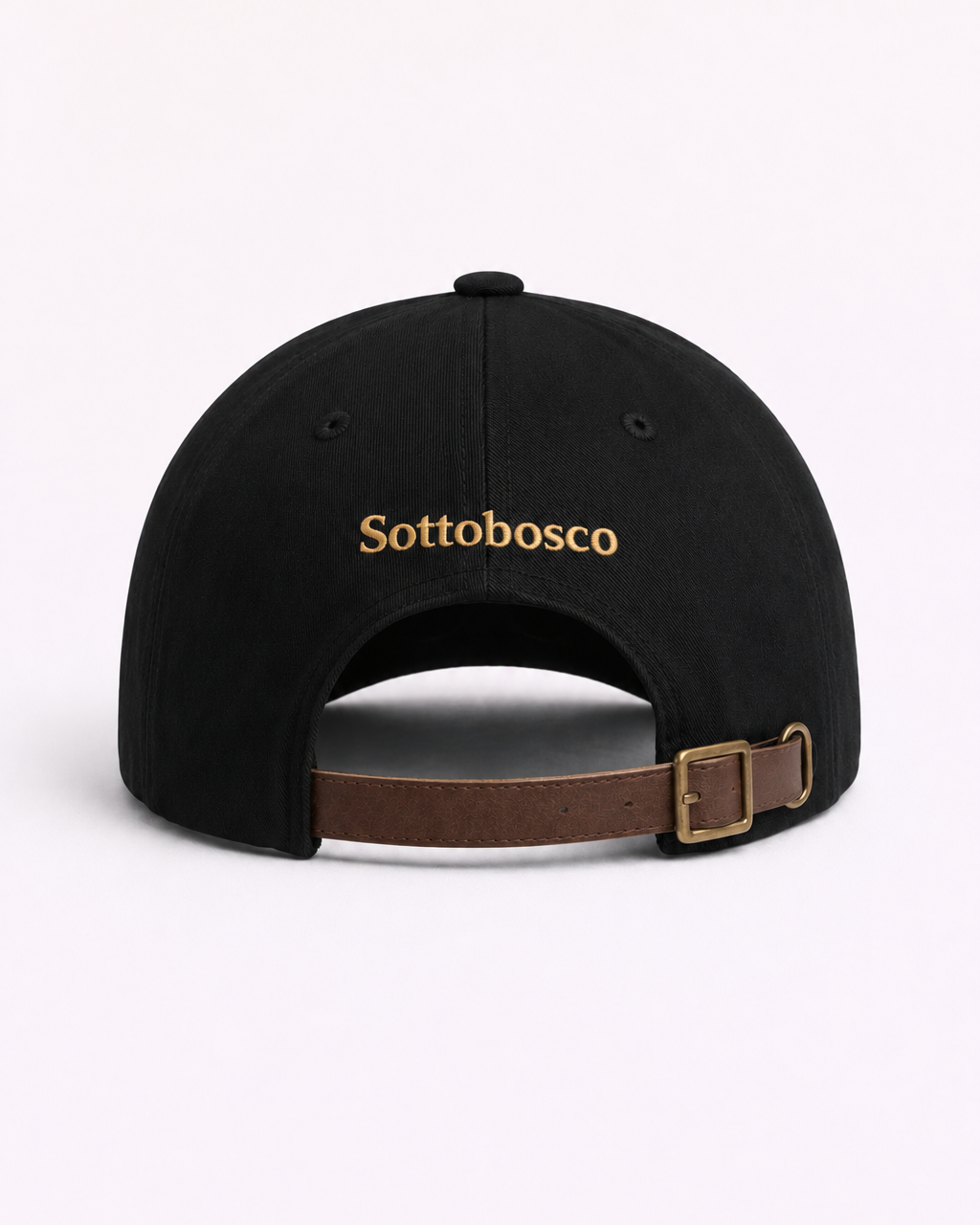
Fiber That Breathes with the Body: Merino Wool as a Paradigm of Regenerative Streetwear
The Fiber that Breathes with the Body: Merino Wool as a Paradigm of Regenerative Streetwear
Introduction: The Renaissance of an Ancient Fiber in the Anthropocene Era
Merino wool—a keratin protein produced by Ovis aries merino—represents one of the most sophisticated biomimetic solutions developed through evolution: a fiber capable of self-regulating body microclimates through quantifiable physicochemical mechanisms. While synthetic fibers (polyester, nylon, elastane) constitute 63% of global textile production and generate 706 million tons of CO₂ eq annually according to the Ellen MacArthur Foundation's Fashion on Climate report (2023), RWS-certified merino wool emerges as a technically and ethically superior alternative for brands operating under the principle of eco-sustainability over ego.
This article rigorously analyzes the intrinsic properties of the fiber, the certification protocols that guarantee documented animal welfare, and its strategic application in "on-demand" models consistent with the planetary boundaries defined by the Stockholm Resilience Centre.
I. Physicochemical Properties of Merino Wool: The Science of Thermal Self-Regulation
The molecular structure of merino wool confers unique functional properties, validated through laboratory studies:
- Active thermoregulation: Each fiber has a helical structure with overlapping scales that create microscopic air chambers. This design allows it to absorb up to 30% of its weight in moisture without feeling damp (reverse capillarity), releasing latent heat through an exothermic adsorption reaction—a process quantified at 105 J/g according to the "International Journal of Thermophysics" (2022). This mechanism keeps the skin dry in conditions of high physical activity, reducing heat loss in cold environments and facilitating evaporation in warm climates.
- Biochemical odor neutralization: Keratin contains amino groups that covalently bind to short-chain fatty acid molecules (butyric, propionic) responsible for biological odors. A study in the "Textile Research Journal" (2023) demonstrated an 87% reduction in volatile odoriferous compounds after 72 hours of continuous use, without the intervention of synthetic biocides.
- Accelerated biodegradability: Under controlled composting conditions (58°C, 60% relative humidity, pH 7.2), merino wool mineralizes completely within 12 months, releasing organic nitrogen (16.5% dry weight) as a soil amendment according to the University of Leeds' "Textile Biodegradability Study" (2024), validated by high-resolution mass spectrometry (HRMS). In contrast, polyester requires between 200 and 400 years to partially degrade, generating persistent microplastics.
II. Responsible Wool Standard (RWS): The Ethical Protocol for Animal Traceability
The RWS, managed by Textile Exchange since 2016, constitutes the most rigorous global standard to guarantee documented sheep welfare. Its technical architecture includes:
- Absolute prohibition of mulesing: A surgical practice without anesthesia to prevent flystrike, prohibited in the RWS under the criteria of the *World Organisation for Animal Health* (WOAH) [[8]]. Certified farms must implement alternatives based on resistant genetics (selection for reduced skin folds) and preventive health management.
- Five freedoms of animal welfare: Annual audits verify compliance with: 1) freedom from hunger/thirst, 2) freedom from discomfort, 3) freedom from pain/injury/disease, 4) freedom to express natural behaviors, and 5) freedom from fear/distress—principles developed by the UK's "Farm Animal Welfare Council" and adopted by the OIE.
- Certified chain of custody: A "transaction certificate" system that tracks wool batches from the sheep farm to the finished fabric, with random sampling via DNA barcoding to verify authenticity—a technology validated by the *International Wool Textile Organisation* (IWTO).
- Regenerative pasture management: A minimum requirement of grazing rotation in cycles exceeding 30 days to allow for vegetation cover regeneration, with satellite monitoring of biomass using NDVI (Normalized Difference Vegetation Index).
This protocol transforms merino wool from an agricultural commodity into a material with verifiable ethical traceability—a non-negotiable requirement for brands operating under decentralized models with local producers in multiple countries, such as SOTTOBOSCO's system.
III. Application in On-Demand Streetwear: Functionality without Aesthetic Compromise
The integration of merino wool into contemporary streetwear collections responds to three technical imperatives:
1. Thermal versatility in variable urban environments: The ability to operate in temperature ranges from -5°C to +25°C without additional layers—validated by climatic chamber tests according to ISO 11092—allows for minimalist designs that eliminate unnecessary bulk, aligning with the philosophy of elegant simplicity that characterizes SOTTOBOSCO.
2. Reduction of water impact in the life cycle: A merino wool garment requires washing every 10-15 uses compared to 2-3 uses for polyester garments, reducing domestic water consumption by 73% according to a life cycle assessment (LCA) from the "Higg Materials Sustainability Index" (2023).
3. Compatibility with on-demand models: The fiber allows for low-volume dyeing using "digital inkjet" technology with natural dyes (indigo, madder), eliminating obsolete stock and waste from overproduction—consistent with SOTTOBOSCO's 100% online, inventory-free operating model.
These properties position merino wool not as a premium material by price, but as a technical solution for functional streetwear that prioritizes intergenerational responsibility over conspicuous consumption.
Conclusion: Merino Wool as an Act of Regenerative Resistance
In a textile sector where 87% of fibers end up in landfills or incinerators—according to UNEP data (2024)—RWS-certified merino wool represents an act of technical and ethical resistance. Its accelerated biodegradability, intrinsic thermoregulation, and documented animal traceability position it as a transitional material towards a fashion that operates within planetary boundaries, not outside them.
For brands like SOTTOBOSCO that operate under the principle of eliminating intermediaries while maintaining direct relationships with local producers, merino wool is not an aesthetic "whim," but a structural component of a decentralized, ethical, and regenerative production system. In the Anthropocene era, wearing RWS-certified merino wool transcends style choice: it becomes an act of material consistency with the ecosystems that sustain our existence.